

Site Planning Influences Efficiency, Safety, and Long-Term Performance in Commercial Building Development
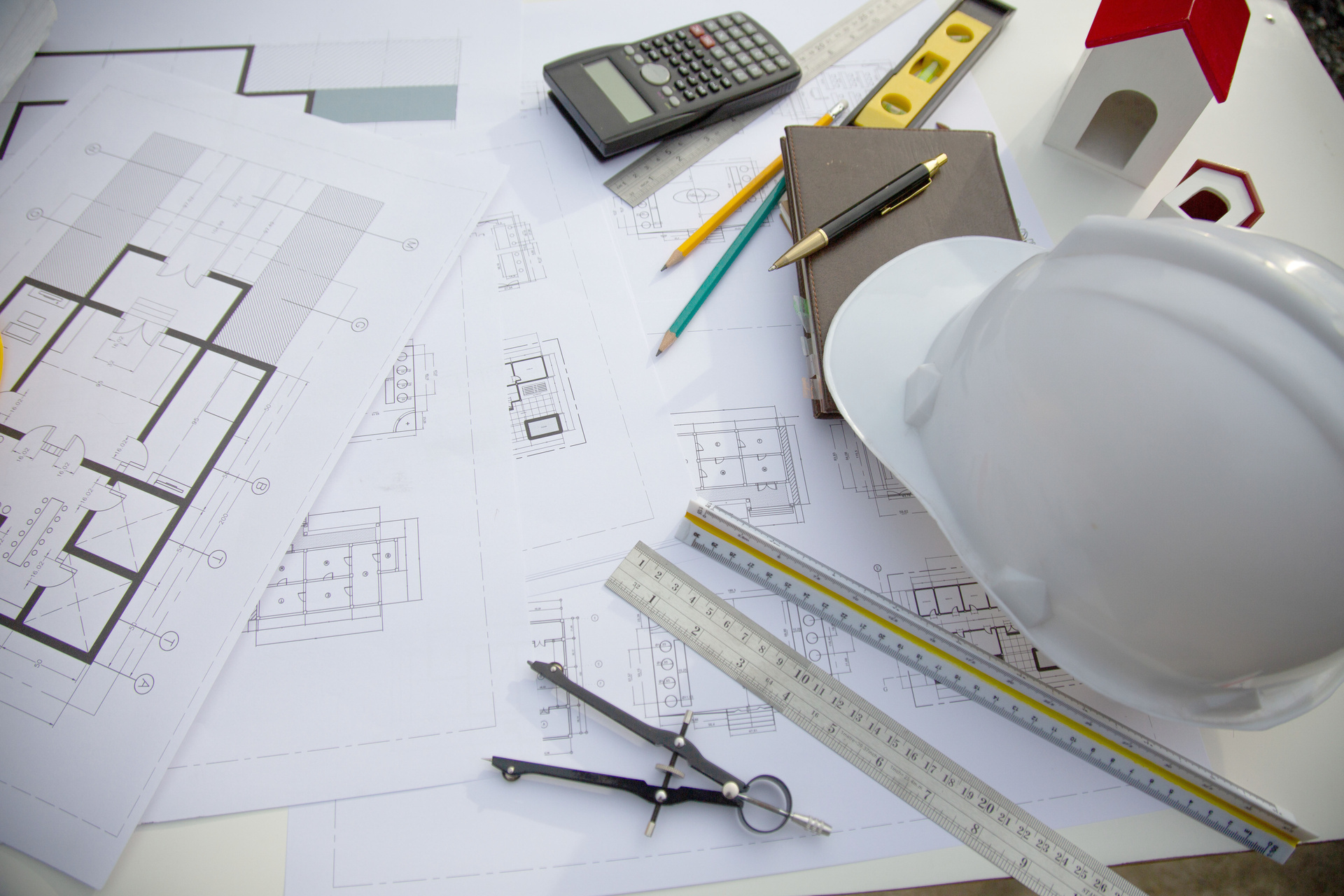

Site planning determines how every major component of a commercial project interacts with the property”
SLIDELL, LA, UNITED STATES, March 13, 2026 /EINPresswire.com/ -- Site planning represents one of the earliest and most influential stages in commercial building development. Before construction begins, careful evaluation of land characteristics, infrastructure access, environmental conditions, and regulatory requirements helps determine how a commercial project will function both during construction and throughout its operational lifespan.— Jules Albert III
Site planning involves the strategic organization of structures, parking areas, utilities, drainage systems, landscaping, and traffic circulation within a property. This process ensures that a commercial building not only fits within the available land but also operates efficiently while meeting safety standards and local regulations.
Commercial development projects often begin with a detailed analysis of the property itself. Land surveys identify property boundaries, elevation changes, existing vegetation, and potential environmental considerations. Engineers and planners then evaluate soil composition, flood risk, drainage patterns, and utility access points.
These early assessments help determine where buildings, parking areas, and service access points should be located within the site. Improper placement of structures or infrastructure can create challenges related to drainage, traffic flow, and long-term maintenance.
Drainage management represents one of the most significant components of site planning. Rainwater must be directed away from structures, parking areas, and pedestrian pathways in a controlled manner. Without proper drainage design, standing water and soil erosion can affect both the building foundation and surrounding infrastructure.
Stormwater management systems may include drainage channels, retention ponds, underground piping, and grading adjustments that guide water flow across the property. These systems are designed to prevent flooding, protect neighboring properties, and comply with environmental regulations governing runoff management.
Traffic flow is another critical factor considered during site planning. Commercial properties must accommodate vehicles entering and exiting the site safely while minimizing congestion. Driveway placement, turning radii, delivery access, and parking lot design all influence how vehicles move through a property.
Pedestrian safety is also a major consideration. Walkways, crosswalks, lighting systems, and access points must be positioned in ways that allow safe movement between parking areas and building entrances. Proper site planning separates pedestrian paths from vehicle traffic whenever possible to reduce safety risks.
Utility infrastructure also plays a key role in commercial site development. Electrical service, water lines, sewer connections, telecommunications infrastructure, and natural gas access must all be incorporated into the site layout. Utility placement must allow maintenance access while avoiding interference with other systems such as drainage networks or foundation structures.
Local zoning regulations and building codes further influence site planning decisions. Municipal requirements may specify setbacks from property lines, landscaping standards, parking space counts, accessibility features, and stormwater control measures. Compliance with these regulations is necessary before construction permits can be issued.
Environmental considerations are often addressed during the planning stage as well. Properties located near wetlands, waterways, or protected habitats may require additional evaluations or mitigation strategies. These factors influence how land can be developed while maintaining compliance with environmental guidelines.
Site planning also affects the long-term usability of a commercial property. Efficient layouts can improve accessibility for employees, customers, and delivery vehicles while allowing room for potential future expansion. Poorly planned sites may create logistical challenges that affect operations long after construction is complete.
Jules Albert III, owner of Jaymar Construction LLC in Slidell, Louisiana, notes that the planning phase establishes the foundation for the entire construction process.
“Site planning determines how every major component of a commercial project interacts with the property,” said Jules Albert III, owner of Jaymar Construction LLC in Slidell, Louisiana. “Drainage systems, traffic flow, utilities, and structural placement must be coordinated before construction begins in order to support long-term functionality.”
Construction scheduling and cost management can also be influenced by the quality of the site planning process. When site preparation is carefully designed in advance, contractors can avoid unexpected obstacles related to grading, utility conflicts, or drainage adjustments during construction.
Preparation activities such as clearing vegetation, grading the land, installing drainage infrastructure, and establishing foundation elevations depend on accurate site plans. These steps ensure that the property is ready for structural construction while maintaining stability and environmental compliance.
Commercial developers often work closely with civil engineers, architects, surveyors, and contractors during the planning process. Collaboration between these professionals helps ensure that the site layout aligns with both the architectural design of the building and the practical requirements of construction.
Technology has also influenced modern site planning practices. Geographic information systems, drone surveys, and advanced modeling software allow planners to visualize terrain, drainage patterns, and infrastructure placement before physical construction begins. These tools help identify potential challenges early in the design process.
As commercial development continues expanding across growing communities, site planning remains an essential step in creating functional, durable, and safe properties. The layout decisions made during this stage influence construction logistics, operational efficiency, and environmental impact for the life of the building.
Careful coordination of land characteristics, infrastructure systems, and regulatory requirements ensures that commercial structures operate effectively within their surrounding environment. Through detailed planning and collaboration among development professionals, site planning continues to serve as a foundational component of successful commercial building projects.
Morgan Thomas
Rhino Digital, LLC
+1 504-875-5036
email us here
Visit us on social media:
Facebook
Legal Disclaimer:
EIN Presswire provides this news content "as is" without warranty of any kind. We do not accept any responsibility or liability for the accuracy, content, images, videos, licenses, completeness, legality, or reliability of the information contained in this article. If you have any complaints or copyright issues related to this article, kindly contact the author above.
