
Louisiana Marshes and Swamps Recognized as One of North America’s Most Distinctive Ecosystems
Louisiana wetlands represent a landscape shaped by constant interaction between water, sediment, and vegetation”
MARRERO, LA, UNITED STATES, March 19, 2026 /EINPresswire.com/ -- The marshes and swamps of coastal Louisiana represent one of the most complex and ecologically significant wetland environments in North America. Shaped by centuries of sediment movement from the Mississippi River and influenced by tidal patterns from the Gulf of Mexico, these wetlands form a landscape that supports diverse wildlife, plant communities, and natural water systems.— Milton Walker Jr.
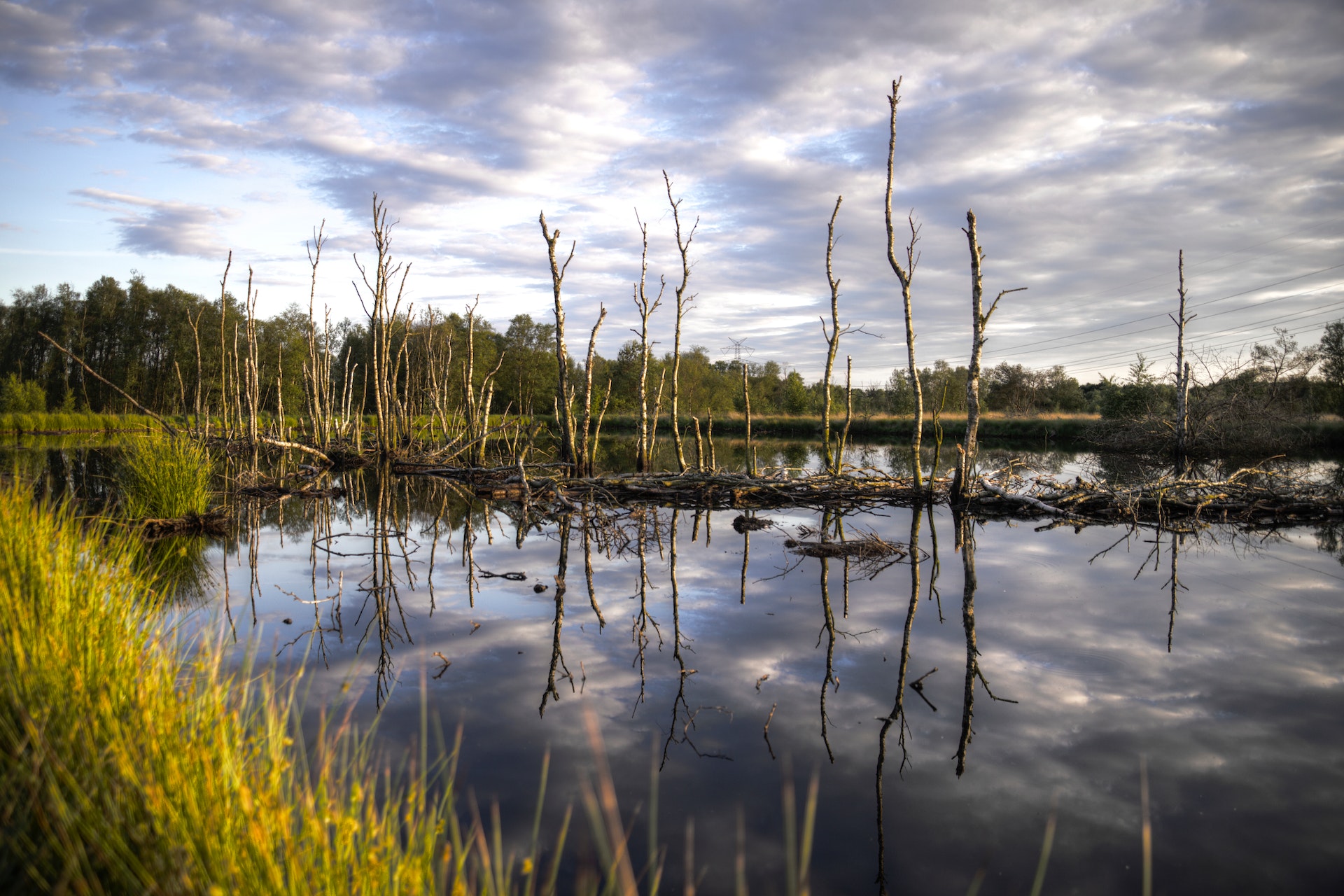
Louisiana’s coastal wetlands include a combination of freshwater swamps, brackish marshes, and tidal estuaries. These environments exist in a transitional zone between land and open water, creating conditions that support an unusually wide range of biological activity. The interaction between river sediment, tidal flow, and seasonal flooding contributes to the formation and maintenance of this dynamic ecosystem.
Swamps within the region are typically dominated by bald cypress and water tupelo trees, which thrive in slow-moving freshwater environments. The trunks of cypress trees often expand outward at their bases to form buttressed roots, providing stability in saturated soils. Cypress knees—wooden projections that extend from the root systems—appear throughout swamp environments and contribute to the distinctive visual character of these wetlands.
Marsh areas differ from swamps in both vegetation and water conditions. Marshlands consist largely of grasses, reeds, and aquatic plants that grow in shallow water or saturated soils. These plants help stabilize sediment and create habitats for a wide variety of species. Marsh grasses also contribute to the formation of peat and organic soils that support the continued development of wetland landscapes.
The Louisiana wetland system provides habitat for numerous wildlife species. Fish, amphibians, reptiles, birds, and mammals all depend on the resources available within these marshes and swamps. American alligators, great blue herons, egrets, turtles, nutria, and many species of fish inhabit these environments.
Migratory birds also rely on Louisiana wetlands as seasonal feeding and resting areas. Each year, large numbers of waterfowl travel along the Mississippi Flyway, using marshes and coastal wetlands as key stopover locations during migration. The abundance of plant life and aquatic organisms within these habitats provides essential nourishment for migrating bird populations.
Wetlands also play a role in natural water filtration. Vegetation and soil layers within marsh systems help capture sediment and absorb nutrients carried by river and tidal waters. As water moves slowly through these wetlands, natural filtration processes help remove impurities before water reaches larger coastal systems.
Flood management represents another important ecological function of marshes and swamps. Wetlands act as natural water storage areas during heavy rainfall or river flooding. By absorbing excess water and releasing it gradually, these ecosystems help reduce the impact of flood events in surrounding areas.
Coastal marshes also provide natural buffers against storm surge. During major storms and hurricanes, wetlands help dissipate wave energy before it reaches inland communities. The dense vegetation and shallow water areas within marsh systems reduce wave height and slow the movement of storm-driven water.
According to Milton Walker Jr., owner of Louisiana Tour Company in New Orleans, Louisiana, the marsh and swamp landscapes of coastal Louisiana offer insight into the ecological complexity of the region.
“Louisiana wetlands represent a landscape shaped by constant interaction between water, sediment, and vegetation,” said Walker. “Swamps and marshes support a wide range of wildlife species and play an important role in the environmental balance of the Gulf Coast.”
Walker noted that observing the ecosystem firsthand often provides visitors with a deeper understanding of how these wetlands function.
“Moving through swamp waterways allows visitors to see how plant life, wildlife, and water systems interact within the wetland environment,” Walker said. “Each part of the ecosystem contributes to the overall health of the landscape.”
Sediment carried by the Mississippi River has historically played a central role in building and maintaining Louisiana’s wetlands. As the river flows toward the Gulf of Mexico, suspended sediment settles in coastal areas, gradually forming new marshland. This natural process has shaped the delta landscape for thousands of years.
Seasonal flooding and shifting river channels also influence wetland formation. When river waters spread into surrounding lowlands, sediment deposits accumulate, supporting plant growth that stabilizes the soil and contributes to marsh development.
The balance between freshwater input and tidal saltwater influence creates a range of habitat conditions across Louisiana’s coastal zone. Some areas remain primarily freshwater environments, while others transition into brackish or saltwater marsh systems closer to the Gulf.
Human activity has also affected portions of the wetland system through navigation channels, flood control structures, and coastal development. Scientists, environmental agencies, and conservation groups continue studying wetland processes in an effort to understand how these ecosystems function and how they can be preserved.
Research into wetland restoration has become an important topic in coastal Louisiana. Efforts often focus on sediment diversion projects, marsh creation, and shoreline stabilization designed to support long-term wetland sustainability.
The Louisiana marsh and swamp system remains one of the most recognizable natural environments in the United States. Its intricate waterways, distinctive vegetation, and diverse wildlife contribute to a landscape that reflects centuries of natural environmental processes.
Through the interaction of water, sediment, and plant life, these wetlands continue to support a dynamic ecosystem that influences both regional ecology and the cultural identity of coastal Louisiana.
Morgan Thomas
Rhino Digital, LLC
+1 504-875-5036
email us here
Visit us on social media:
Facebook
Legal Disclaimer:
EIN Presswire provides this news content "as is" without warranty of any kind. We do not accept any responsibility or liability for the accuracy, content, images, videos, licenses, completeness, legality, or reliability of the information contained in this article. If you have any complaints or copyright issues related to this article, kindly contact the author above.
