

Tony’s Fencing Explains How Landscaping Can Affect Fence Lifespan
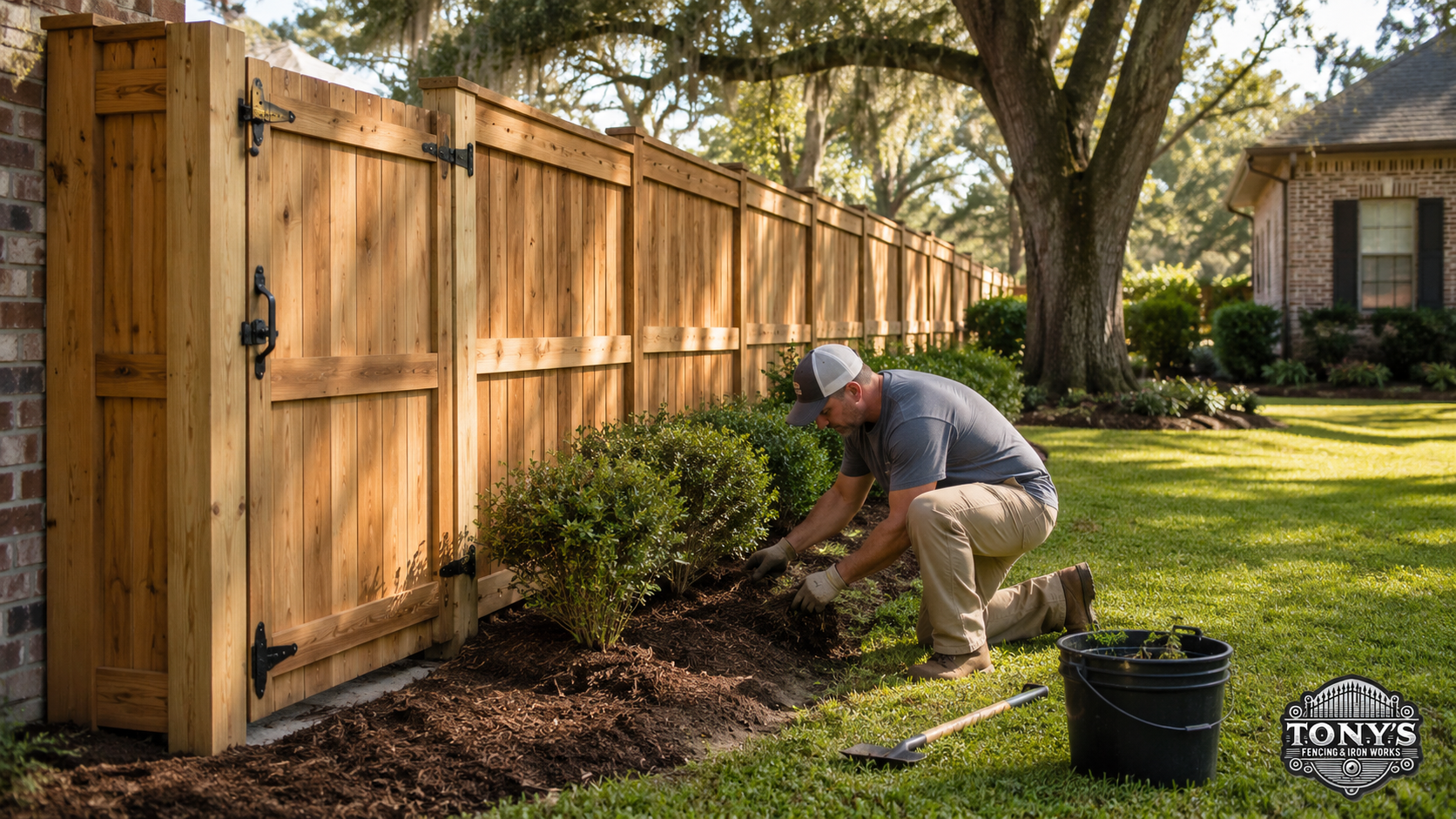
Tony’s Fencing & Iron Works explains how trimming plants, managing mulch, and keeping space around fence lines can help protect fences in Louisiana yards.
Homeowners can learn how plants, mulch, vines, irrigation, drainage, and lawn care may affect fences in Louisiana yards.
COVINGTON, LA, UNITED STATES, June 8, 2026 /EINPresswire.com/ -- Landscaping can make a yard more attractive, more private, and more useful, but in Louisiana’s humid climate, the way homeowners plant, mulch, water, and maintain the fence line can also affect how long a fence lasts. Tony’s Fencing & Iron Works is offering practical education for homeowners on how common landscaping choices may contribute to fence damage, gate problems, rot, rust, and leaning posts.
Across Southeast Louisiana, residential fences are exposed to heat, humidity, frequent rain, wet soil, termite activity, and fast-growing vegetation. These conditions can make fence-line maintenance more important than many homeowners realize. A fence may look sturdy from a distance while problems are slowly developing behind shrubs, under mulch, near sprinklers, around gate hardware, or at the base of posts.
Tony’s Fencing & Iron Works recently published a homeowner guide titled “Landscaping Around a Fence in Louisiana: What Helps and What Hurts,” but the company says the topic is important enough for broader homeowner awareness. Many fence problems can begin with everyday yard habits, including planting too close to the fence, piling mulch against wood, allowing vines to grow unchecked, directing sprinklers at fence panels, or allowing water to collect around posts.
“A fence needs room to dry, room to be inspected, and room for gates to work the way they were built to work,” said Tony Ostrowski, Owner of Tony’s Fencing & Iron Works. “Landscaping should improve the yard without creating moisture problems or hiding damage until it becomes expensive.”
One of the most important DIY tips for homeowners is to leave a maintenance gap between plants and the fence. Shrubs, flowers, hedges, and vines often look small when first installed, but Louisiana’s long growing season can change that quickly. As plants mature, they may press directly against wood, vinyl, chain link, or ornamental iron fencing. When that happens, airflow is reduced and moisture can stay trapped against the fence surface.
For wood fences, this lack of airflow can be especially harmful. Wood needs time to dry after rain, irrigation, humidity, and morning dew. If plants are touching the fence throughout the day, boards and rails may stay damp longer than intended. Over time, that can contribute to mildew, dark staining, soft spots, peeling stain, and rot. Homeowners can reduce this risk by trimming shrubs back regularly and making sure they can see the bottom rail, posts, and lower boards during a quick visual inspection.
Mulch is another common landscaping feature that needs careful placement near fences. Mulch helps landscape beds retain moisture, which is useful for plants. However, that same moisture can be a problem when mulch is piled directly against wood fence posts, pickets, or bottom rails. In Louisiana, where the soil and air are often already damp, wood that stays buried or constantly wet may deteriorate faster.
A simple DIY habit is to pull mulch back several inches from the base of a wood fence so the posts and boards remain visible and can dry after rain. Homeowners should also avoid letting soil, leaves, grass clippings, and yard debris build up along the bottom of the fence. A clean fence line makes it easier to spot early warning signs such as soft wood, termite tubes, rust, loose fasteners, or soil movement.
Vines are another feature that can create both beauty and maintenance concerns. Many homeowners like vines because they add greenery, privacy, and a softer appearance to a fence. However, vines can hold moisture against wood, hide damaged boards, interfere with gates, and add weight to chain link fencing. On ornamental iron fences, dense vegetation may hold moisture around metal and make rust harder to detect.
Homeowners who choose to use vines near a fence should keep them trimmed and avoid allowing them to completely cover gates, latches, hinges, or posts. A fence covered in greenery may look attractive, but if the structure cannot be inspected, small problems may go unnoticed. A better option for some yards is to plant shrubs or landscape beds near the fence line without attaching plants directly to the fence itself.
Irrigation is another area where small adjustments can make a difference. Sprinklers should be aimed at grass and plants, not directly at fence panels or gates. Repeated sprinkler overspray can darken wood, encourage mildew, contribute to rot, create mineral stains on vinyl, and increase rust risk on metal hardware or ornamental iron. If one section of a fence always looks damp, green, stained, or darker than nearby sections, the sprinkler pattern may need to be adjusted.
Homeowners can test this by running the irrigation system during daylight and watching where the water lands. If sprinkler heads are hitting the fence every cycle, they may need to be redirected, capped, raised, or adjusted. This is a simple DIY check that can help reduce unnecessary water exposure and improve the long-term appearance of the fence.
Drainage is also important because fence posts depend on stable soil. When water repeatedly collects around posts, the soil may soften, shift, or wash away. Over time, this can contribute to leaning sections, loose posts, sagging gates, or gaps that change shape. In Southeast Louisiana, drainage concerns are common because many yards include low spots, ditches, shaded areas, clay-heavy soil, and landscape beds that may direct water toward the fence line.
Homeowners should look for signs of poor drainage after rain. Standing water near posts, mulch floating away from beds, soil washing away from the base of the fence, or a gate that begins dragging after wet weather may all point to a drainage issue. In some cases, improving grading, redirecting downspouts, cleaning a swale, or adjusting landscape bed edges can help keep water moving away from the fence line.
Lawn equipment can also affect fence condition over time. String trimmers, edgers, mowers, and blowers can chip paint, scar wood, damage stain, loosen soil, and hit the base of posts. One impact may not seem serious, but repeated contact along the same fence line can expose untreated wood or damage protective coatings. Homeowners and lawn crews should avoid striking posts and boards with trimming equipment and should keep a clean edge that makes maintenance easier.
Gates require special attention because they move more than the rest of the fence. Landscaping placed too close to a gate can interfere with hinges, latches, locks, automatic gate movement, or the gate’s swing path. Plants, roots, mulch, pavers, and soil buildup can all cause a gate to drag, stick, or fail to latch properly. This can become a safety concern for pool gates, pet gates, driveway gates, and side-yard access points.
A useful DIY check is to open and close every gate on the property and watch how it moves. If a gate scrapes the ground, misses the latch, rubs a shrub, hits a bed edge, or requires force to close, the surrounding landscaping may be contributing to the problem. Keeping gates clear helps protect hinges, posts, frames, and hardware from unnecessary stress.
Fence material also matters when planning landscaping. Wood fencing offers privacy and natural curb appeal, but it needs airflow and protection from constant moisture. Cedar fencing can be a strong option for homeowners who want natural wood with added durability. Pine fencing remains a common privacy fence choice, but it benefits from proper installation, finishing, and maintenance. Vinyl fencing is lower maintenance, but sprinklers and algae can still affect its appearance. Ornamental iron adds a custom look but should be monitored for rust where plants, mulch, or water remain in contact with the metal. Chain link fencing can be practical for pets and larger yards, but heavy vines and overgrowth can add weight and reduce visibility.
Homeowners planning new landscaping should also think about future access. Dense shrubs, raised beds, large stones, edging, irrigation lines, and heavy plantings can make future fence repairs harder if crews cannot reach posts, rails, panels, or gates. Leaving reasonable space around the fence line can make future staining, cleaning, repair, or replacement easier and more cost-effective.
Tony’s Fencing & Iron Works says a basic homeowner fence-line check does not need to be complicated. Homeowners can walk the fence line and look for areas where plants touch the fence, mulch covers wood, sprinklers hit panels, water collects near posts, vines cover hardware, gates do not latch, or lawn equipment has damaged the base. These small observations can help homeowners decide whether they need trimming, cleaning, drainage adjustments, minor repairs, or a professional fence inspection.
The company’s full homeowner guide on landscaping around a fence in Louisiana is available online and provides additional detail for property owners planning new landscaping or trying to protect an existing fence.
Tony’s Fencing & Iron Works serves homeowners and businesses across Covington, Mandeville, Madisonville, Slidell, Ponchatoula, Hammond, Abita Springs, Folsom, Franklinton, and surrounding Southeast Louisiana communities. The company provides fence installation, fence repair, wood fencing, cedar fencing, pine fencing, vinyl fencing, ornamental iron fencing, chain link fencing, pool fencing, driveway gates, automatic gates, and custom fence solutions.
Homeowners can read the full guide at https://tonysfencingandiron.com/landscaping-around-fence-louisiana/.
Frequently Asked Questions
How can landscaping damage a fence?
Landscaping can damage a fence when plants grow directly against it, vines add weight, mulch holds moisture near wood, sprinklers repeatedly spray the fence, or drainage keeps soil wet around posts. These conditions can contribute to rot, rust, leaning posts, gate issues, and hidden damage.
What is the easiest DIY fence-line maintenance tip?
The easiest DIY tip is to keep the fence line visible and clear. Homeowners should trim plants back, keep mulch away from wood, remove debris from the base of the fence, and make sure gates can open and close without hitting plants or soil buildup.
Should mulch touch a wood fence?
Mulch should not be packed directly against a wood fence. It is better to keep mulch pulled back from posts, pickets, and bottom rails so the wood can dry after rain or irrigation and so homeowners can inspect the base of the fence.
Are vines bad for fences?
Vines are not always bad, but they can create problems if they are allowed to take over. Vines can trap moisture, hide damage, interfere with gates, and add weight to chain link or older fence sections. They should be trimmed and monitored regularly.
How do sprinklers affect fences?
Sprinklers can affect fences when they repeatedly spray wood, metal, or vinyl. Overspray may cause mildew, staining, rust, mineral buildup, or premature wear. Sprinklers should be aimed at grass and plants rather than the fence.
Why does drainage matter near fence posts?
Fence posts need stable soil. If water collects around posts or soil washes away from the base, the posts may loosen, shift, or lean over time. Good drainage helps protect the structure of the fence.
How often should homeowners check the fence line?
Homeowners should check the fence line several times a year, especially after heavy rain, yard work, landscaping changes, or irrigation adjustments. A quick walk along the fence can help catch small problems before they become larger repairs.
What should homeowners look for around gates?
Homeowners should look for shrubs blocking the swing path, mulch or soil causing the gate to drag, roots lifting the gate area, vines covering hinges, or latches that no longer line up. Gates should open, close, and latch smoothly.
What fence material works best near landscaping?
The best material depends on the yard. Wood fences offer privacy and a natural look but need airflow. Vinyl is lower maintenance. Ornamental iron adds a decorative appearance but should be watched for rust. Chain link is practical but should not be overloaded with vines or dense vegetation.
When should a homeowner call a fence professional?
A homeowner should call a fence professional if posts are leaning, gates no longer latch, boards are soft or rotten, iron is rusting, panels are shifting, or drainage has caused soil movement around the fence line. Professional evaluation can help determine whether repair or replacement is the better option.
About Tony’s Fencing & Iron Works
Tony’s Fencing & Iron Works is a Louisiana fencing company serving homeowners and businesses across the Northshore and surrounding Southeast Louisiana communities. The company provides wood fencing, cedar fencing, pine fencing, vinyl fencing, ornamental iron fencing, chain link fencing, pool fencing, driveway gates, automatic gates, fence repairs, and custom fence solutions. Tony’s Fencing & Iron Works is known for local experience, quality workmanship, and fence solutions built for Louisiana properties.
Tony’s Fencing & Iron Works serves homeowners across Covington, Mandeville, Madisonville, Folsom, Abita Springs, Franklinton, Ponchatoula, Hammond, Slidell, and surrounding Southeast Louisiana communities.
Contact:
Tony’s Fencing & Iron Works
Covington, Louisiana
Phone: (985) 703-0595
Website: https://tonysfencingandiron.com/
Gwen M.
Designs For You
email us here
Visit us on social media:
Facebook
Legal Disclaimer:
EIN Presswire provides this news content "as is" without warranty of any kind. We do not accept any responsibility or liability for the accuracy, content, images, videos, licenses, completeness, legality, or reliability of the information contained in this article. If you have any complaints or copyright issues related to this article, kindly contact the author above.
