

Construction Site Injuries May Involve Multiple Parties, Making Investigations More Complex
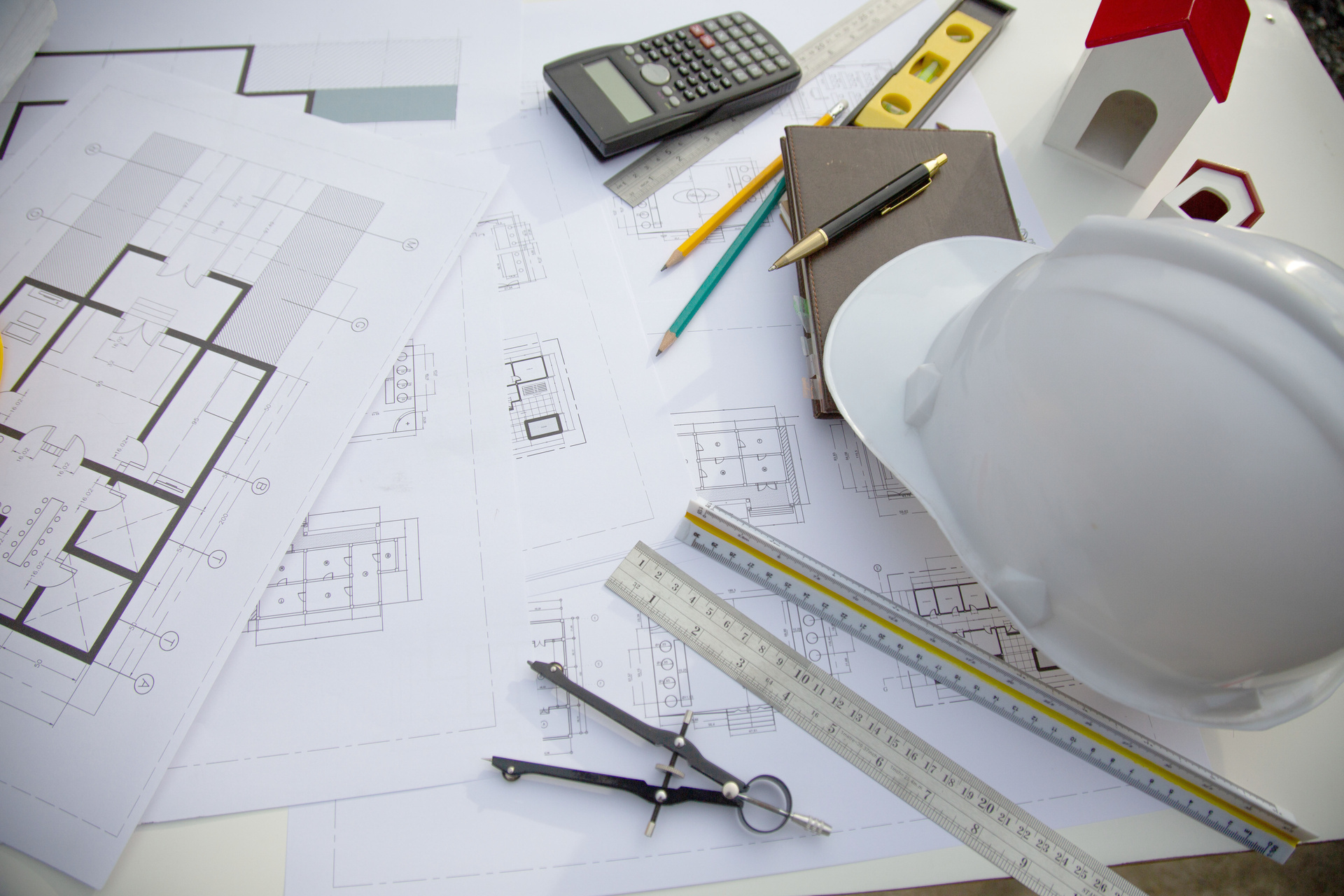

Construction sites often involve numerous contractors, subcontractors, suppliers, and other parties working together on the same project”
BATON ROUGE, LA, UNITED STATES, July 11, 2026 /EINPresswire.com/ -- Construction sites are among the most active and complex work environments, with multiple contractors, subcontractors, equipment operators, suppliers, and property owners often working simultaneously. When an injury occurs, determining how the incident happened and which parties may have responsibilities can involve a detailed review of the worksite, contractual relationships, safety procedures, and applicable laws.— Rick Tadda
Construction projects frequently involve several companies performing specialized tasks. General contractors oversee project coordination, while subcontractors may handle electrical work, plumbing, roofing, concrete, framing, steel erection, excavation, mechanical systems, and finishing work. Material suppliers, equipment rental companies, architects, engineers, and property owners may also play roles throughout the life of a project.
Because so many entities may be involved, construction site injuries often require comprehensive investigations rather than immediate conclusions regarding responsibility.
Construction work presents a variety of potential hazards. Falls from elevated surfaces, falling objects, equipment accidents, trench collapses, electrical incidents, scaffold failures, machinery malfunctions, and exposure to hazardous materials remain among the more commonly reported causes of serious workplace injuries. Each incident presents unique circumstances that require careful examination.
Worksite conditions often change throughout the day as projects progress. Temporary structures are erected and removed, equipment is relocated, materials are delivered, and work areas are modified to accommodate different phases of construction. Investigators frequently review these changing conditions when evaluating how an incident occurred.
Safety procedures represent another important aspect of construction operations. Federal and state regulations establish standards addressing fall protection, personal protective equipment, scaffolding, excavation, electrical safety, equipment operation, hazard communication, and numerous other workplace practices. Compliance with these standards may become part of an investigation following an injury.
Documentation plays a significant role in evaluating construction site incidents. Project schedules, inspection reports, safety meeting records, equipment maintenance logs, training documentation, photographs, witness statements, and incident reports may all contribute to understanding the sequence of events surrounding an accident.
Equipment manufacturers may also become relevant in certain cases. If machinery, tools, ladders, scaffolding, lifts, cranes, or safety equipment malfunction because of an alleged product defect, investigators may evaluate whether equipment performance contributed to the incident. Product design, manufacturing processes, maintenance history, and operating instructions may all become factors during the review.
Subcontractor coordination presents another layer of complexity. Multiple trades frequently work within close proximity while performing different tasks according to project schedules. Activities conducted by one contractor may influence work areas occupied by another, making communication and site coordination important aspects of overall project safety.
Property owners occasionally have responsibilities depending upon the circumstances surrounding a construction project. Existing site conditions, maintenance issues, hazardous property conditions, or contractual obligations may become relevant during legal evaluations in certain situations. Each project presents unique facts that require individual analysis.
Workers' compensation laws generally provide benefits for employees injured during the course of employment. However, some construction accidents may also involve third-party claims if another individual or entity outside the employer-employee relationship contributed to the incident. Determining whether additional legal claims exist depends upon the specific facts surrounding each case.
Independent contractors, temporary workers, and leased employees may present additional legal considerations. Employment classifications, contractual agreements, and worksite responsibilities sometimes influence how claims are evaluated following construction accidents.
Preserving evidence becomes particularly important after serious incidents. Construction sites often continue operating following an accident, meaning conditions may change rapidly as work progresses. Photographs, measurements, equipment inspections, surveillance footage, and witness interviews help preserve information before conditions are altered.
Medical documentation also contributes to injury evaluations. Healthcare records, diagnostic imaging, physician reports, rehabilitation plans, and functional assessments help document the nature and extent of injuries while supporting ongoing treatment and recovery.
Expert analysis is frequently utilized in complex construction injury investigations. Engineers, safety professionals, accident reconstruction specialists, vocational experts, and medical professionals may review evidence to better understand technical aspects of the incident and its contributing factors.
Technology has expanded investigative capabilities in recent years. Drone photography, three-dimensional site mapping, digital project records, electronic communication logs, and surveillance systems provide additional sources of information that may assist investigators in reconstructing accident scenes.
Timely investigation remains important because physical evidence, witness recollections, and project conditions may change over time. Early documentation often provides a more accurate understanding of the circumstances surrounding a construction site injury.
Construction continues representing an essential industry supporting infrastructure, commercial development, residential building, and public improvements throughout Louisiana. At the same time, the complexity of modern construction projects requires careful attention when evaluating workplace incidents involving multiple participants.
"Construction sites often involve numerous contractors, subcontractors, suppliers, and other parties working together on the same project," said Rick Tadda, a lawyer at The Tadda Law Firm Injury Attorneys in Baton Rouge, Louisiana. "When an injury occurs, understanding exactly what happened frequently requires a thorough investigation of the worksite, the parties involved, and the circumstances surrounding the incident before legal responsibility can be fully evaluated."
As construction projects continue growing in size and complexity, investigations involving workplace injuries remain an important part of protecting legal rights and understanding how accidents occur. Careful review of evidence, documentation, safety practices, and project responsibilities helps ensure that each incident is evaluated according to its individual facts and applicable legal standards.
Morgan Thomas
Rhino Digital, LLC
+1 504-875-5036
email us here
Visit us on social media:
Facebook
Legal Disclaimer:
EIN Presswire provides this news content "as is" without warranty of any kind. We do not accept any responsibility or liability for the accuracy, content, images, videos, licenses, completeness, legality, or reliability of the information contained in this article. If you have any complaints or copyright issues related to this article, kindly contact the author above.
