

Snakes Play Important Ecological Role in Louisiana's Wetlands and Wildlife Habitats
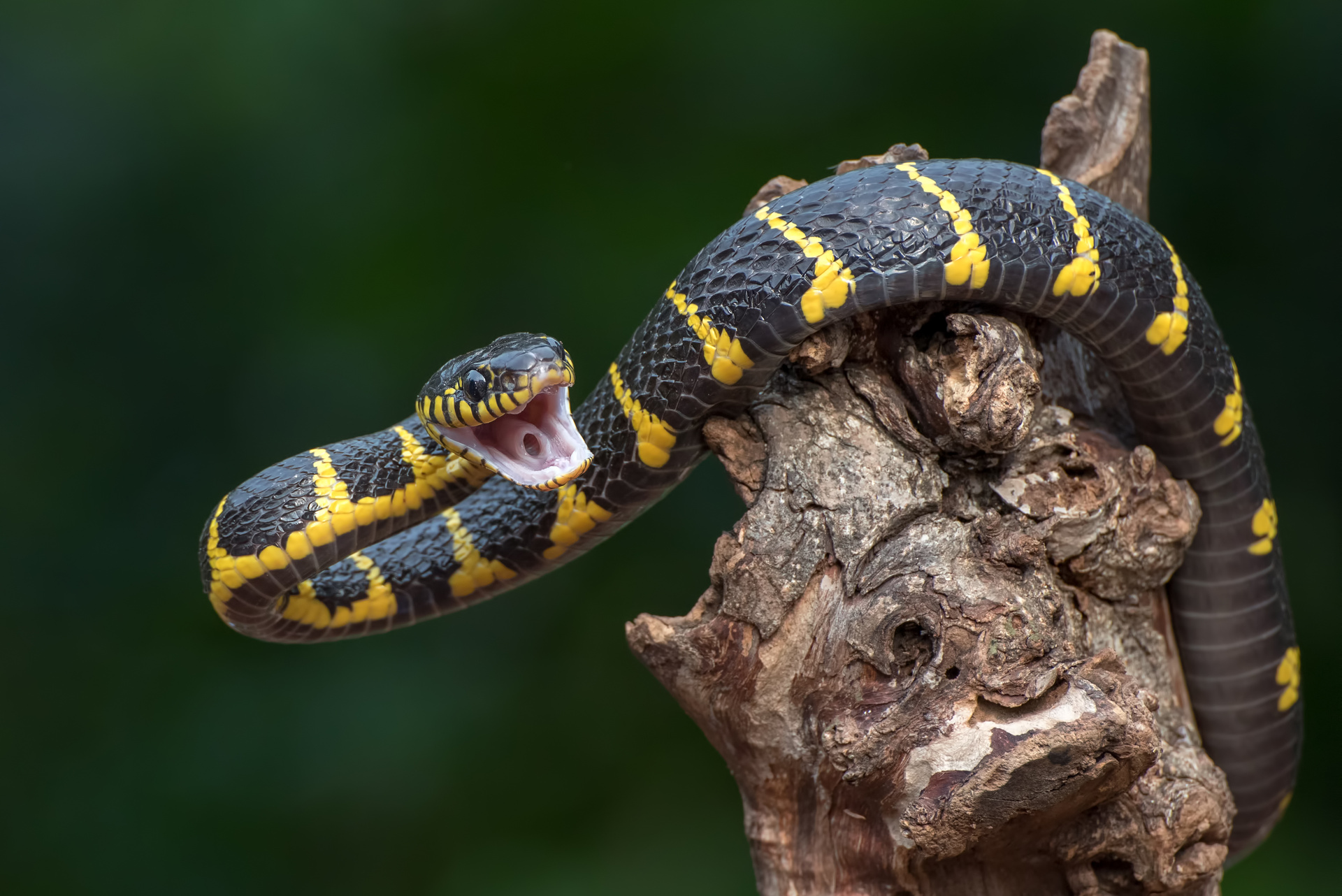
Snakes are part of the natural balance found throughout Louisiana's swamps and marshes”
NEW ORLEANS, LA, UNITED STATES, October 30, 2026 /EINPresswire.com/ -- — Milton Walker Jr.
Louisiana's wetlands support a diverse collection of wildlife, including alligators, wading birds, turtles, fish, amphibians, and numerous species of snakes. Although snakes are sometimes misunderstood or feared, these reptiles perform important ecological functions within marshes, swamps, bayous, and other wetland environments. Their roles as both predators and prey contribute to food web relationships, population regulation, and the overall functioning of Louisiana's natural habitats.
Louisiana Tour Company, a New Orleans-based company providing swamp and wildlife tours, is drawing attention to the ecological significance of native snakes and the importance of understanding their behavior within wetland environments.
Louisiana's extensive wetland systems provide habitat for numerous snake species, including nonvenomous watersnakes, ribbon snakes, and several venomous species. Each occupies a particular ecological niche influenced by habitat conditions, food availability, seasonal activity, and interactions with other wildlife.
Snakes as Natural Population Regulators
Snakes contribute to wetland ecosystems by feeding on a variety of animals, including rodents, frogs, fish, insects, and other small vertebrates.
Diet varies considerably among species, with some snakes primarily consuming aquatic prey while others feed on terrestrial animals found along wetland edges.
Watersnakes, for example, commonly consume fish and amphibians, making these reptiles active participants in aquatic food webs.
Other species may feed on small mammals inhabiting marsh vegetation, wooded areas, and surrounding uplands.
By consuming prey, snakes contribute to natural population dynamics and the movement of energy through wetland ecosystems.
"Snakes are part of the natural balance found throughout Louisiana's swamps and marshes," said Milton Walker Jr., owner of Louisiana Tour Company in New Orleans, Louisiana. "Different species feed on different animals, and snakes also provide food for other wildlife. Understanding those relationships helps explain why snakes belong in these environments."
An Important Link in Wetland Food Webs
Although snakes function as predators, many species also serve as prey for larger animals.
Wading birds, birds of prey, certain mammals, and other reptiles may consume snakes as part of their natural diets.
Large alligators can also prey on snakes when opportunities arise.
These relationships connect snakes to multiple levels of the wetland food web.
The removal or decline of a species can affect ecological interactions, although the consequences vary according to habitat conditions, species abundance, and the availability of alternative prey.
Snakes therefore contribute to the interconnected biological relationships that characterize Louisiana's wetlands.
Common Snake Species in Louisiana Wetlands
Several snake species are associated with Louisiana's freshwater swamps, marshes, and waterways.
The banded watersnake and diamondback watersnake are commonly associated with aquatic habitats, where fish and amphibians form important components of their diets.
Gartersnakes and ribbon snakes may occupy wetland margins, grassy areas, and other habitats where small amphibians and invertebrates are available.
The cottonmouth, also called the water moccasin, is a venomous species found in various wetland environments throughout Louisiana.
Cottonmouths consume fish, amphibians, small mammals, and other animals, functioning as predators within aquatic and adjacent terrestrial habitats.
Species identification is important because nonvenomous watersnakes are sometimes mistaken for cottonmouths.
Coloration, body shape, and behavior can vary, making casual identification unreliable.
Understanding Snake Behavior
Snakes generally respond to environmental conditions and perceived threats rather than actively seeking encounters with humans.
Many species attempt to escape when approached, although defensive behavior may occur when snakes feel threatened, cornered, or handled.
Snake activity is influenced by temperature, seasonal conditions, reproductive cycles, and prey availability.
During warmer periods, snakes may be observed swimming, resting along shorelines, or occupying vegetation near water.
"Encountering a snake in a Louisiana wetland is a reminder that the habitat supports a functioning wildlife community," Walker explained. "Observing snakes from a reasonable distance allows natural behavior to continue while reducing unnecessary risks for people and wildlife."
Wildlife observers should avoid attempting to capture, touch, or provoke snakes, particularly when species identification remains uncertain.
Snakes and Wetland Biodiversity
Biodiversity refers to the variety of living organisms occupying an ecosystem and the relationships among those organisms.
Louisiana wetlands contain interconnected aquatic and terrestrial habitats supporting reptiles, amphibians, birds, mammals, fish, and invertebrates.
Snake species occupy different ecological roles depending on feeding habits, habitat preferences, and interactions with predators.
Some species spend substantial time in water, while others primarily inhabit vegetation, forested wetlands, or transitional areas.
This diversity contributes to the complexity of wetland food webs and reflects the range of environmental conditions found throughout South Louisiana.
Environmental Pressures Affecting Wetland Wildlife
Louisiana's wetlands face environmental pressures involving coastal land loss, habitat alteration, saltwater intrusion, pollution, and changing hydrological conditions.
These changes can influence wildlife habitat availability, prey populations, and species distribution.
Snakes may be affected when suitable shelter, nesting areas, or feeding habitats become fragmented or altered.
Wetland conservation efforts that maintain habitat connectivity, water quality, and native vegetation can support numerous wildlife species, including snakes.
Public understanding also plays a role in reducing unnecessary killing of snakes resulting from mistaken identification or fear.
Responsible Wildlife Observation
Observing wildlife in natural habitats provides opportunities to understand ecological relationships without disturbing animals.
Visitors encountering snakes during wetland activities should maintain distance, remain aware of surrounding conditions, and follow established safety guidance.
Snakes should not be handled, pursued, or removed from natural habitats without appropriate authorization and a legitimate reason.
"Wildlife observation is most meaningful when animals can continue normal activities without interference," Walker added. "Snakes deserve the same consideration as birds, turtles, alligators, and other species inhabiting Louisiana's wetlands."
Recognizing the Ecological Importance of Snakes
Snakes remain an important component of Louisiana's wetland ecosystems despite longstanding misconceptions about their behavior and ecological value.
Through predation, participation in food webs, and interactions with other wildlife, native snake species contribute to the biological complexity of marshes, swamps, and bayous.
Understanding these ecological functions can encourage informed wildlife observation and greater awareness of the environmental relationships supporting Louisiana's wetlands.
About Louisiana Tour Company
Louisiana Tour Company is a New Orleans, Louisiana-based company offering swamp and wildlife tours in South Louisiana. Owned by Milton Walker Jr., the company provides opportunities to observe regional wetland habitats and native wildlife while learning about the natural environments surrounding the Greater New Orleans Area.
Morgan Thomas
Rhino Digital, LLC
+1 504-875-5036
email us here
Visit us on social media:
Facebook
Legal Disclaimer:
EIN Presswire provides this news content "as is" without warranty of any kind. We do not accept any responsibility or liability for the accuracy, content, images, videos, licenses, completeness, legality, or reliability of the information contained in this article. If you have any complaints or copyright issues related to this article, kindly contact the author above.
