

Schneider Paper Products Examines How Food Container Closure Designs Influence Spill Prevention During Delivery
News originally published by
EIN Presswire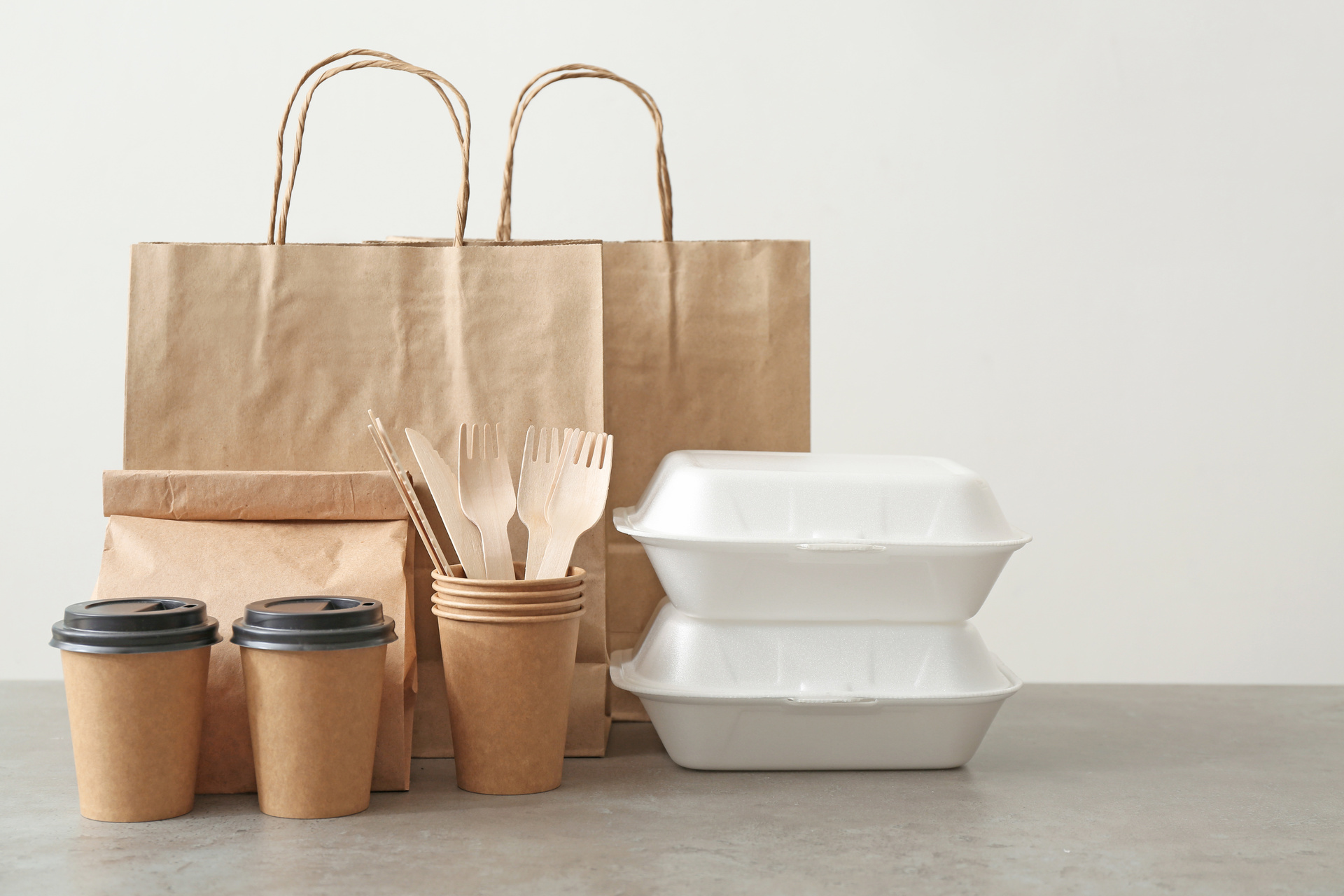

Food delivery involves movement, handling, and changes in how containers are positioned”
BATON ROUGE, LA, UNITED STATES, November 21, 2026 /EINPresswire.com/ -- — Destin Pizer
Food delivery places packaging under conditions that differ from those encountered during traditional dine-in service. Containers may be carried through kitchens, placed inside insulated delivery bags, transported in vehicles, and handled multiple times before reaching their destination. Throughout this process, closure design plays an important role in helping food remain contained.
Schneider Paper Products, based in Baton Rouge, Louisiana, is examining how food packaging closures function and why their design influences spill resistance during takeout and delivery operations.
Disposable food containers use several closure systems, including snap-fit lids, hinged closures, folded paperboard tabs, and separate lids that engage with a container rim.
Each system is designed for particular packaging materials, food types, and handling conditions.
The Function of a Food Container Closure
A food packaging closure helps keep the container closed during ordinary handling.
Depending on the design, it may also reduce leakage, limit accidental opening, and help protect the contents from external contact.
Closure performance depends on the relationship between the lid and container body.
The dimensions, stiffness, and geometry of these components determine how they engage.
A lid that appears properly positioned may not provide adequate containment if it is incompatible with the container or has not been fully secured.
"Food delivery involves movement, handling, and changes in how containers are positioned," said Destin Pizer, owner of Schneider Paper Products in Baton Rouge, Louisiana. "The closure has to work with the container design and the type of food inside. A secure fit can help reduce accidental openings, but the complete package has to be appropriate for the conditions it will encounter."
Snap-Fit Closures and Rim Engagement
Some plastic food containers use lids that snap into place around a raised or recessed rim.
The closure may produce an audible or tactile indication when properly engaged.
This design helps resist separation between the lid and container during ordinary handling.
However, snap-fit closures vary considerably.
Some are intended primarily to keep food covered, while others are designed to provide greater resistance to leakage.
A secure snap does not automatically establish that a container is watertight.
Hinged Closures and Integrated Lids
Hinged food containers connect the lid and base through an integrated hinge.
The closure may include tabs, catches, or other features that hold the lid shut.
Because the lid remains attached, there is no separate component to match with the container during packing.
However, closure effectiveness still depends on correct alignment and engagement.
Repeated bending, material deformation, or improper filling can affect how the lid closes.
The hinge itself does not guarantee spill resistance.
Folded Paperboard Closure Systems
Paperboard food boxes frequently use folding tabs, interlocking flaps, or tuck-in closures.
These features help maintain the container's shape and keep the top closed.
Their performance depends on fold geometry, paperboard stiffness, and the forces encountered during handling.
Some paperboard packages are suitable for relatively dry foods but may not provide adequate containment for free-flowing liquids.
Moisture can also influence the strength of certain paper-based materials.
The Importance of Proper Filling
Closure performance can be affected when a container is overfilled.
Food extending above the intended fill level may prevent the lid from engaging completely.
Excessive internal pressure can also distort the package.
Hot foods may release steam, creating condensation and, depending on the design, changes in internal pressure.
Containers must be matched to their intended contents and filled according to appropriate limits.
A closure cannot compensate for packaging that is unsuitable for the food being transported.
Movement During Transportation
Delivery containers may experience vibration, acceleration, braking, and changes in orientation.
These movements can cause food and liquids to shift inside the package.
A closure must resist the forces associated with its intended handling conditions.
However, a container designed to remain upright may leak when tipped or inverted.
Delivery packing practices should therefore account for container orientation and stability.
Matching Closures to Food Characteristics
Different foods create different containment requirements.
A sandwich or pastry may need a closure that prevents accidental opening without requiring a liquid-tight seal.
A meal containing sauces or gravy may need greater resistance to leakage.
Soups and other free-flowing liquids generally require containers specifically designed for liquid contents.
Food temperature, weight, and consistency also influence packaging selection.
Tamper-Evident Features and Closure Security
Some delivery packages incorporate tamper-evident labels, seals, or other features.
These elements can help indicate whether packaging has been opened after preparation.
However, tamper evidence and leak resistance are separate characteristics.
A package may include a tamper-evident feature without being designed to prevent liquid leakage.
Similarly, a leak-resistant container may not provide visible evidence of opening.
The intended function of each feature should be considered independently.
Evaluating Closure Performance
Packaging performance can be assessed through handling, vibration, compression, and leakage testing suited to the intended application.
Testing may consider whether a lid remains attached, whether the container deforms, and whether contents escape under specified conditions.
No closure system should be assumed to prevent every possible spill.
Its performance depends on the complete container design and how the package is used.
Understanding Delivery Packaging Design
Food packaging closures serve as important components of the overall containment system.
Their effectiveness depends on material properties, dimensional compatibility, proper engagement, and suitability for the food.
By examining how closures respond to handling and transportation, foodservice operations can better understand the factors that influence packaging performance during delivery.
Morgan Thomas
Rhino Digital, LLC
+1 504-875-5036
Visit us on social media:
Facebook
Legal Disclaimer:
EIN Presswire provides this news content "as is" without warranty of any kind. We do not accept any responsibility or liability for the accuracy, content, images, videos, licenses, completeness, legality, or reliability of the information contained in this article. If you have any complaints or copyright issues related to this article, kindly contact the author above.
